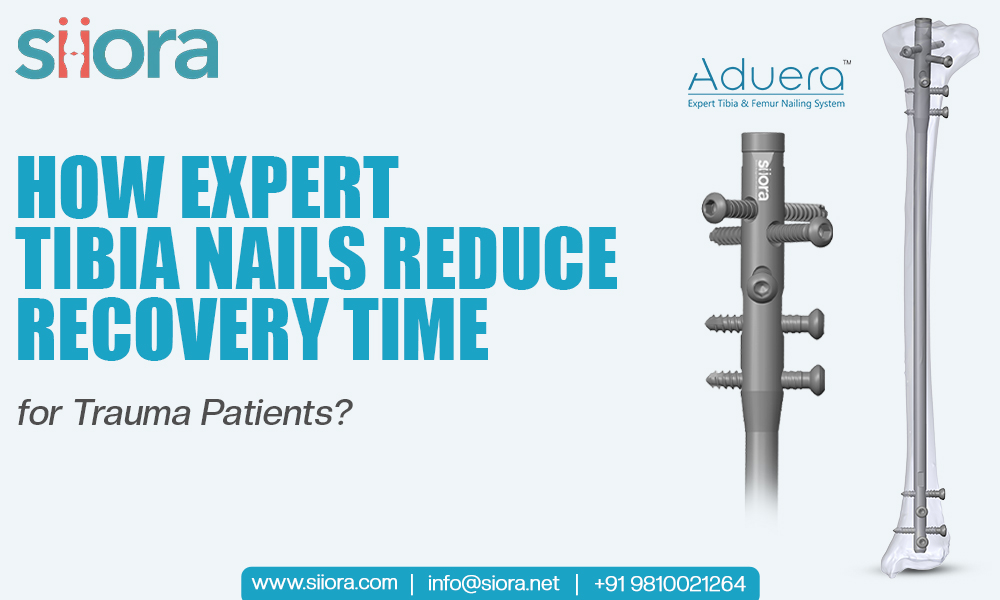
When a patient walks into the emergency room with a fractured tibia, time matters. The tibia is a weight-bearing bone, and injuries to it can seriously affect mobility and daily life. For trauma surgeons, the goal is not just to fix the fracture but to help the patient return to normal activity as safely and quickly as possible. This is where expert tibia nails make a real difference.
Tibia nailing has become a widely accepted method for treating shaft fractures. But not all nails are the same. The design, material quality, and locking options can directly influence how well the fracture heals and how soon the patient can start moving again.
Stable Fixation Means Faster Mobilization
One of the main reasons tibia nails help reduce recovery time is stability. A well-designed intramedullary tibia nail sits inside the bone canal, aligning with the natural axis of the tibia. Because of this central position, the implant shares load with the bone instead of placing stress only on the outer surface.
This load-sharing effect allows early weight-bearing in many cases. Early mobilization is important. The longer a patient stays immobile, the higher the risk of joint stiffness, muscle wasting, and even blood clots. When fixation is stable, physiotherapy can begin sooner, which speeds up overall recovery.
Minimally Invasive Approach Supports Healing
Another factor that reduces recovery time is the surgical technique itself. Tibia nailing is usually performed through smaller incisions compared to traditional plating. Since the implant is inserted into the medullary canal, there is less disruption of soft tissues and blood supply around the fracture site.
Preserving the natural blood supply is critical. Bone healing depends heavily on circulation. When soft tissues are handled gently and periosteal stripping is minimized, the body can focus on healing rather than recovering from surgical trauma.
Advanced Locking Options Improve Control
Modern tibia nails come with multiple locking configurations. Proximal and distal locking screws help control rotation and length, which is especially important in unstable or comminuted fractures. Some systems even offer multidirectional locking to improve fixation in challenging fracture patterns.
Better control of alignment reduces complications like malunion. When the fracture heals in proper alignment the first time, patients avoid corrective procedures later. Fewer complications naturally mean a shorter and smoother recovery process.
Designed for Better Biological Response
Material choice also plays a role. Many expert tibia nails are made from titanium, which is known for its compatibility with the human body. Titanium is lighter and slightly more flexible than stainless steel. This flexibility allows controlled micro-movements at the fracture site, encouraging callus formation.
When bone healing progresses steadily, patients regain confidence in weight-bearing earlier. Psychological confidence should not be underestimated. A patient who trusts their limb is more likely to engage actively in rehabilitation.
Reduced Risk of Implant-Related Problems
Well-engineered tibia nails are designed to minimize hardware-related issues such as screw loosening or implant breakage. Precise instrumentation systems also help surgeons achieve accurate placement.
When complications are reduced, hospital stays are often shorter. Follow-up visits become simpler, and patients can focus on rehabilitation instead of additional procedures.
Early Return to Daily Life
The ultimate goal in trauma care is to help patients return to daily activities, work, and independence. Stable fixation, minimal soft tissue damage, and improved healing conditions all contribute to this outcome. In many cases, patients treated with expert tibia nailing systems are able to start controlled weight-bearing earlier than expected.
Every fracture is different, and recovery depends on multiple factors, including patient age, bone quality, and overall health. Still, implant design plays a meaningful role in shaping the healing journey.
Final Thoughts
Expert tibia nails are not just metal rods placed inside the bone. They are carefully designed orthopedic implant systems meant to support biology, provide mechanical stability, and allow early mobilization. When used correctly, they reduce complications and help trauma patients regain mobility faster. For surgeons and patients alike, that combination makes a significant difference in recovery time.
 siiora surgicals pvt. ltd